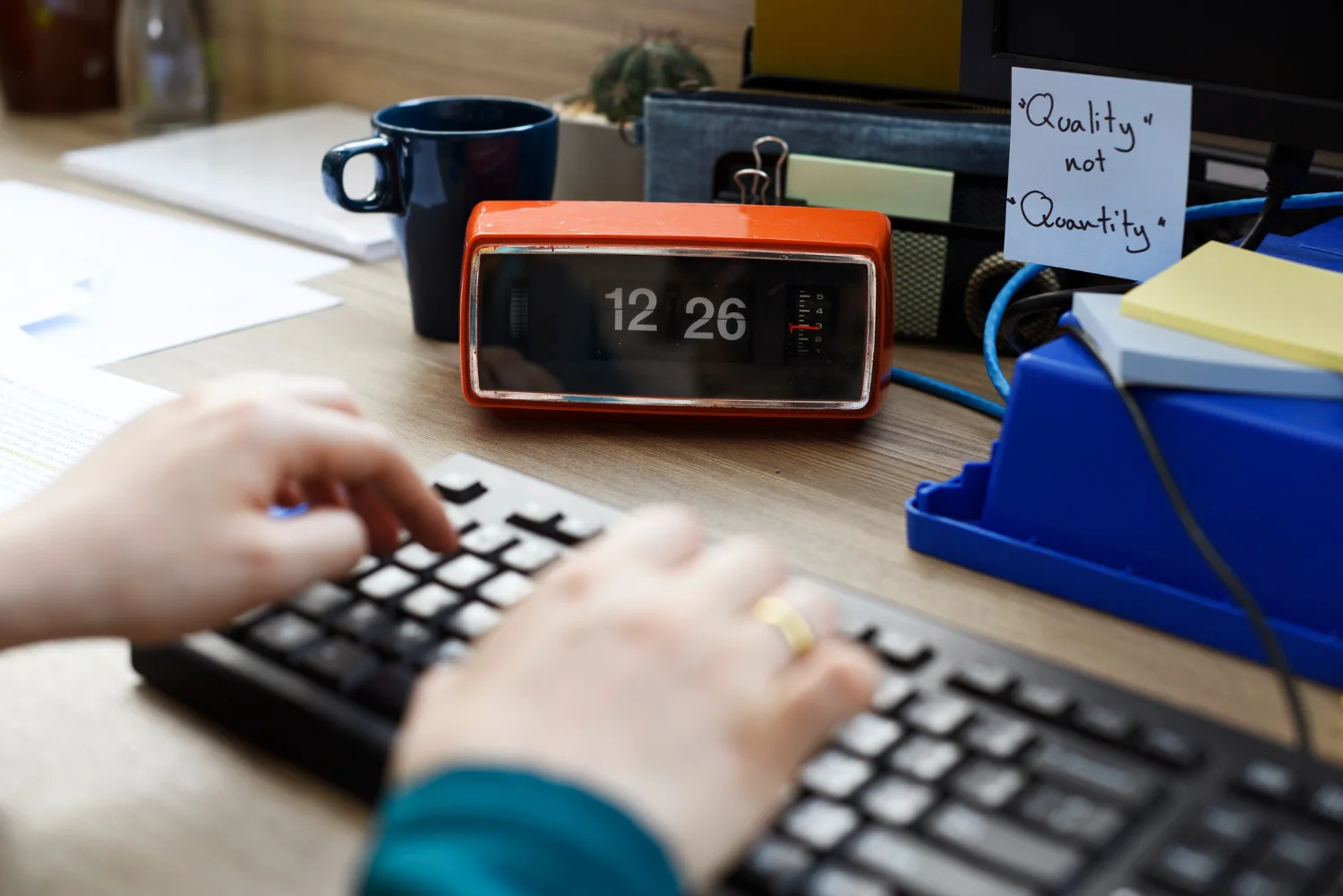
Smart Urban Living Hacks for Busy City Dwellers
City life moves quickly. Commuting, work deadlines, crowded streets, and constant digital noise all compete for attention. Many professionals living in cities often feel like the day disappears before they finish their basic tasks.
This is where Smart Urban Living Hacks become valuable. Instead of trying to do more, the goal is to reduce friction in everyday life. Small systems can help city residents manage time, space, and energy more effectively.
Busy professionals and renters living in metropolitan areas often deal with limited space, tight schedules, and constant stimulation. However, with the right urban living hacks for busy professionals, daily life can become simpler and more predictable.

The following strategies focus on realistic solutions that improve convenience and reduce stress in modern urban environments.
The Urban Time Equation
City life compresses time in several ways.
Commuting takes longer. Lines form at stores and cafes. Crowded environments slow movement. Even short errands can take more time than expected.
As a result, many city dwellers experience what can be called a hidden productivity tax. Time disappears through small inefficiencies.
Applying structured systems such as time management tips for remote workers can help professionals organize their schedules and regain control of their daily tasks
The purpose of Smart Urban Living Hacks is not to work harder. Instead, these ideas help people remove unnecessary friction from daily routines.
By simplifying small parts of everyday life, urban professionals can reclaim time and energy.
The 3 Layer Urban Efficiency System
Urban living often challenges people in three key areas.
Time
Commuting, errands, and waiting in lines consume valuable hours.
Space
Apartments in cities are usually smaller, which limits storage and organization.
Energy
Noise, crowds, and digital overload can drain mental energy.
Effective efficient city living strategies focus on solving these three layers at once. When time, space, and energy are managed well, daily routines become easier to maintain.
The Leave Ready Morning System

Urban mornings are often unpredictable. Trains run late, traffic increases suddenly, and schedules shift quickly.
Preparing the night before can reduce this stress.
A practical system includes
- Preparing work bags and essentials in advance
- Choosing clothes the night before
- Keeping a simple grab and go breakfast option
These time saving hacks for busy urban lifestyles remove unnecessary morning decisions.
Some professionals also prefer beginning the day with a 10 minute morning routine to start your day strong, which helps activate focus before commuting or starting work.
Why this works is simple. When mornings require fewer choices, people start the day faster and with less stress.
Commute Optimization Strategies
Many people see commuting as wasted time. However, it can be structured more intentionally.
Instead of always choosing the fastest route, choose the most predictable route. Reliability often matters more than speed.
Another helpful strategy is commute stacking. This means combining commuting with useful activities.
Examples include
- Listening to educational podcasts
- Planning the day mentally
- Reading or reviewing notes
These city living productivity hacks turn commuting into a productive transition period.
For many professionals, commuting also becomes a mental shift between work and personal life.
Micro Space Living Strategies
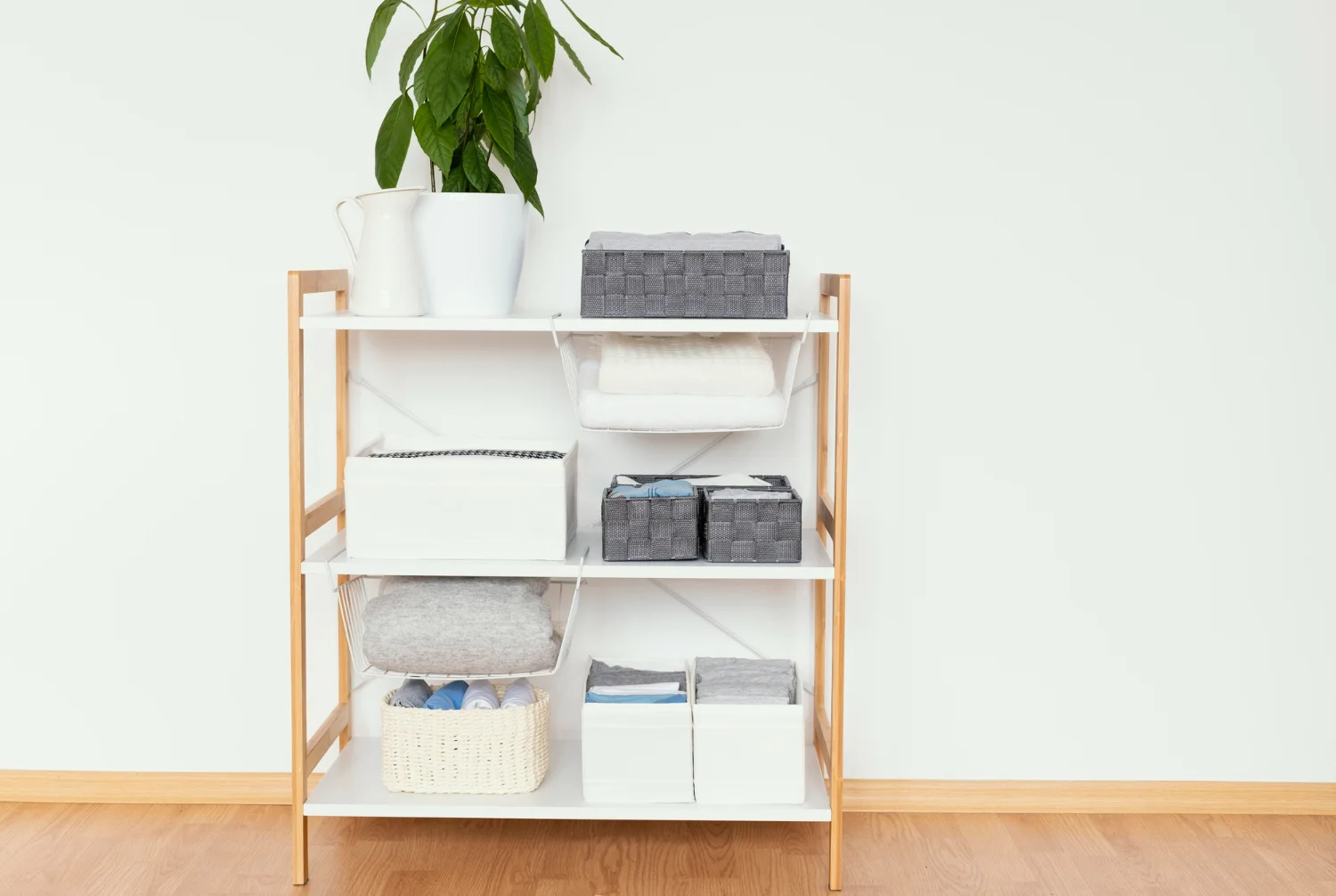
Small apartments are common in cities. Therefore, managing space efficiently becomes essential.
A few smart apartment living tips for small spaces can make a significant difference.
Practical solutions include
- Using vertical storage shelves
- Choosing multi purpose furniture
- Creating dedicated storage zones
These small apartment organization hacks for city dwellers help maintain order in limited space.
A useful rule for city apartments is simple. Every object should justify the space it occupies.
The Two Zone Apartment Concept
Even in small apartments, dividing space mentally can improve daily life.
The idea is to create two clear zones.
Work zone
A small desk or table used only for work tasks.
For professionals who work from home in city apartments, following systems like how to build a successful remote work routine can help maintain productivity even in limited living space
Recovery zone
A separate area used for relaxation, reading, or sleep.
This approach supports practical urban lifestyle tips for professionals because it reduces mental overlap between work and rest.
Working from bed or couch may seem convenient. However, it often reduces both productivity and relaxation quality.
The Urban Errand Batching System
Running errands throughout the week can quietly consume many hours.
Instead of making multiple small trips, group errands together.
For example
- Grocery shopping
- Pharmacy visits
- Household purchases
Completing these tasks during one scheduled time block improves efficiency.
These urban life tips to save time and energy reduce unnecessary travel and mental switching.
Errand batching is one of the most effective modern city living solutions for busy people.
Food Efficiency for City Schedules
Busy city schedules often lead to frequent takeout meals. While convenient, this habit can become expensive and unhealthy.
A simple solution is to maintain a small meal rotation system.
For example
- Three reliable weekday meals
- A small set of grocery essentials
- Quick meal preparation options
These productivity hacks for busy city life reduce decision fatigue around food.
Keeping a minimal pantry also simplifies grocery shopping and meal planning.
Managing Urban Noise and Mental Overload

Cities create constant stimulation. Traffic noise, crowded streets, and digital notifications can quickly lead to mental fatigue.
Creating quiet moments during the day becomes important.
Helpful approaches include
- Creating a calm space at home
- Taking short breaks from screens
- Practicing a short evening decompression routine
Learning practical strategies for how to reduce screen time without losing productivity can also help urban professionals reduce digital fatigue while maintaining work performance.
These stress free urban lifestyle tips help reduce cognitive overload.
Even ten minutes of quiet time can improve mental recovery.
The Urban Reset Evening Routine

After a busy city day, many people continue thinking about work or unfinished tasks.
A short evening reset routine helps transition into personal time.
This routine may include
- Reviewing the day’s completed tasks
- Preparing essentials for tomorrow
- Clearing mental clutter through journaling
These daily life hacks for city residents help separate work stress from personal life.
Over time, a predictable evening routine also improves sleep and recovery.
Following a structured approach like a relaxing evening routine to improve sleep quality can help city residents unwind after a demanding day.
Smart Movement Habits in the City
Although city residents walk frequently, movement patterns can still become unbalanced.
Many professionals sit for long periods during work hours.
Simple movement habits can improve daily energy.
Examples include
- Walking short distances instead of taking transport
- Taking stairs when possible
- Adding short stretching breaks during work
These urban living tips for professionals and commuters help maintain physical activity without requiring extra workout time.
Small movement habits accumulate throughout the day.
Financial Awareness for City Life
Urban living often increases spending without people noticing.
Convenience services, food delivery, and transportation costs can quietly add up.
To manage this, track common city expenses such as
- Rent and utilities
- Transportation costs
- Food delivery and dining
These smart city lifestyle tips for city dwellers help identify unnecessary spending patterns.
Awareness allows professionals to make better financial decisions.
The Urban Minimalism Rule
Cities reward simplicity.
When people own fewer possessions and maintain fewer commitments, daily life becomes easier to manage.
Key principles include
- Keeping only necessary items
- Simplifying routines
- Reducing unnecessary obligations
These minimalist urban living hacks reduce both physical clutter and mental overload.
Simple systems often work better in fast paced environments.
Warning Signs of an Unsustainable Urban Lifestyle
Even productive professionals can experience burnout in cities.
Common warning signs include
- Constant exhaustion
- Overcrowded living space
- Spending more time commuting than enjoying life
Recognizing these signals early allows people to adjust their routines.
Often, applying a few Smart Urban Living Hacks can restore balance.
The Core Principle of Smart Urban Living
Successful city living does not depend on speed. Instead, it depends on efficiency.
Systems often outperform motivation.
At the same time, building personal discipline through confidence building habits that work fast can help individuals maintain consistent routines in fast paced city environments.
When routines reduce friction, everyday tasks become easier. Commuting becomes more predictable. Homes become more organized. Time becomes easier to manage.
These Smart Urban Living Hacks help busy city dwellers navigate modern urban environments with less stress and greater control.
By improving small systems related to time, space, and energy, urban professionals can create a more sustainable and productive lifestyle.