Best Daily Skincare Routine for Combination Skin in Humid Climates

Humidity can be deceptive.
It makes your skin look dewy for about five minutes and then suddenly your forehead is shining like glass while your cheeks feel oddly tight. If you have combination skin, you already know the contradiction: oily in some places, dry in others, unpredictable everywhere.
And when you live somewhere humid Florida, Houston, coastal Carolina summers, even those sticky New York heat waves your skin doesn’t just react. It negotiates.
This guide walks you through the most effective skincare routine for combination skin, specifically tailored for humid weather. Because the goal isn’t stripping oil or drowning dryness. It’s balance. Always balance.
Understanding Combination Skin in Humid Weather
Combination skin means two things are happening at once:
- Your T-zone (forehead, nose, chin) produces excess sebum.
- Your cheeks or outer areas lean normal to dry.
Now add humidity.
When the air is heavy with moisture, your skin may:
- Produce even more oil
- Feel sticky or congested
- Break out more easily
- Still develop dry patches (thanks, indoor air conditioning)
That’s why a generic routine won’t work. You need a skincare routine for combination skin in humid climates that respects both sides of your face.
Best Blog Niches for Beginners with Low Competition
Morning Skincare Routine for Combination Skin in Humid Weather
Let’s build this step-by-step.
Step 1: Gentle Gel-Based Cleanser
In humid conditions, cleansing isn’t optional. It’s foundational.
Look for a gel-based cleanser for humid skin care that removes overnight oil without leaving your cheeks feeling tight. Avoid creamy, heavy formulas in summer they can feel suffocating.
What you want:
- Sulfate-free
- Lightweight texture
- Non-stripping
- Mildly foaming or refreshing gel consistency
Cleansing in the morning clears sweat and oil buildup, especially if you slept in air conditioning.
Step 2: Balancing Toner (Optional but Helpful)
Not the alcohol-heavy toners from high school.
Modern toners help regulate oil production and prep skin for hydration. Ingredients like niacinamide or green tea extract are excellent for balancing oily and dry areas in humid climates.
If your skin feels stable without toner, you can skip it. But in peak summer humidity? It can be the difference between glow and grease.
Step 3: Lightweight Serum
Serums should feel almost invisible in humid weather.
A vitamin C serum (lightweight formula) helps with brightness and environmental stress. Niacinamide supports oil regulation and minimizes the appearance of pores.
Avoid thick, oily serums in summer. They don’t absorb well when humidity is already weighing your skin down.

Step 4: Lightweight Moisturizer
Yes you still need moisturizer. Even in Florida. Even when it’s 95°F.
The trick is choosing one of the best lightweight moisturizers for combination skin.
Look for:
- Gel-cream textures
- Water-based formulas
- Non-comedogenic labeling
- Quick absorption
A proper non-comedogenic skincare routine for humid conditions ensures hydration without clogging pores. Skipping moisturizer often makes your T-zone produce more oil to compensate.
Counterintuitive. But true.
Content Calendar for Content Creators
Step 5: Sunscreen (Non-Negotiable)
If you take one thing seriously, let it be this.
In humid climates, sunscreen needs to:
- Be oil-free
- Dry down matte or natural
- Avoid heavy residue
- Resist sweat
The best sunscreen tips for combination skin in humid weather? Choose lightweight SPF 30 or higher with broad-spectrum protection. Gel-based or fluid sunscreens tend to feel better in hot, sticky environments.

Reapply if you’re outdoors especially in coastal or southern U.S. regions where UV exposure is intense.
Evening Skincare Routine for Combination Skin
Night is where repair happens.
Humidity may be lower indoors, especially with AC, so your skin may need slightly more nourishment but still not heavy creams.
Step 1: Double Cleanse (If Wearing Sunscreen or Makeup)
First cleanse: oil-based or micellar to dissolve sunscreen.
Second cleanse: gentle gel cleanser.
This prevents clogged pores and congestion common in humid weather.
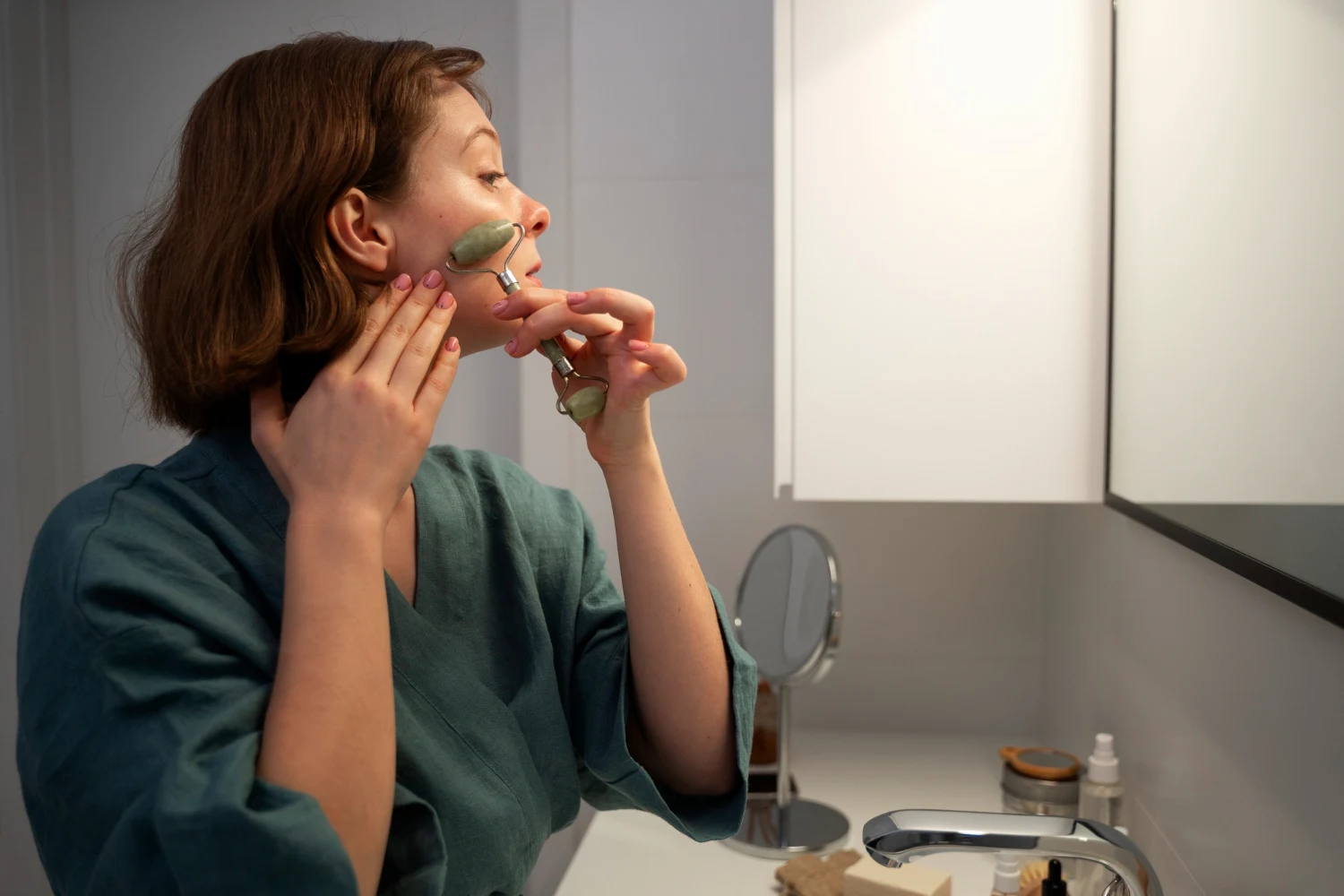
Step 2: Targeted Treatment
This is where personalization matters.
If you struggle with breakouts:
- Use a gentle salicylic acid treatment on oily areas.
If dryness is more prominent:
- Incorporate a light hydrating serum with hyaluronic acid.
Balancing oily and dry areas in humid climates sometimes means spot-treating rather than applying everything everywhere.
Step 3: Night Moisturizer
You can go slightly richer at night but “slightly” is the key word.
Look for:
- Ceramides
- Lightweight barrier-repair creams
- Non-greasy finishes
Heavy occlusive creams may trap sweat and lead to breakouts in humid conditions.
Weekly Add-Ons for Summer Skincare for Combination Skin in Humidity
Humidity makes skin congestion more likely. Weekly maintenance helps.
1–2x Weekly: Gentle Exfoliation
Chemical exfoliants (like low-percentage AHAs or BHAs) remove buildup without aggressive scrubbing.
Clay Mask (Target T-Zone Only)
This is one of the best humid climate skincare tips for combination skin. Apply clay masks only where oil accumulates. Leave dry areas alone.
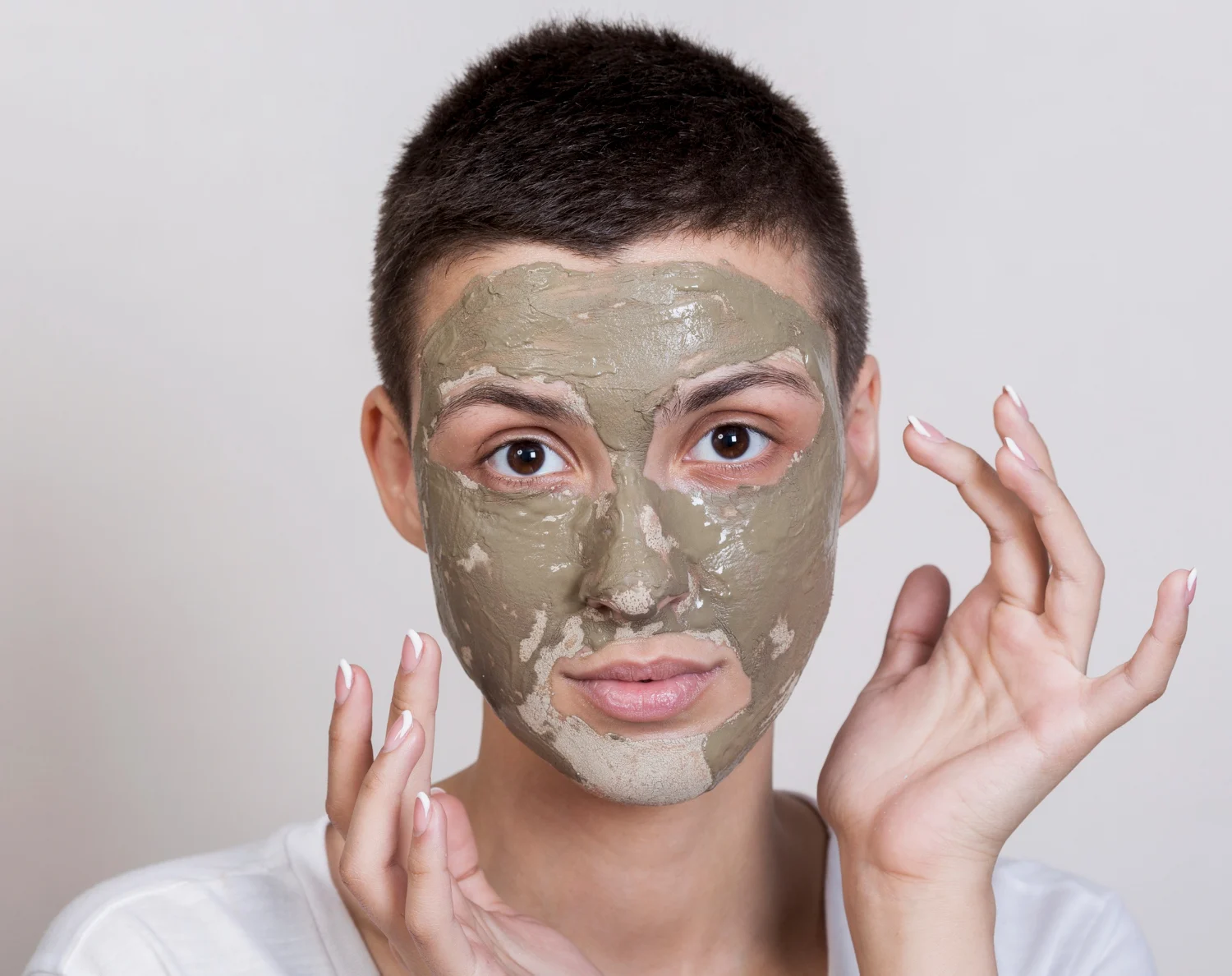
Your face is not one uniform surface. Treat it accordingly.
Common Mistakes in Humid Climates
Let’s clear a few myths.
Mistake 1: Skipping Moisturizer
This leads to rebound oil production.
Mistake 2: Overwashing
Stripping oil aggressively disrupts your barrier and increases sensitivity.
Mistake 3: Using Winter Products in Summer
Heavy creams and rich oils feel comforting in January not in August.
Mistake 4: Ignoring Indoor Air Conditioning
AC dries out certain areas, which complicates combination skin care steps in hot & humid seasons.
Adjusting Your Routine Across the U.S.
Humidity in Miami feels different than humidity in Washington D.C. or New Orleans.
In extremely humid areas:
- Prioritize gel textures
- Focus on oil control
- Use blotting papers midday
In moderately humid climates:
- Balance hydration and oil control
- Avoid over-exfoliation
Seasonal awareness makes your best combination skin routine for humidity far more effective.
Ingredient Guide for Humid Weather
Here’s what tends to work well:
Great Ingredients:
- Niacinamide
- Hyaluronic acid
- Salicylic acid (light use)
- Green tea extract
- Aloe vera
Use Sparingly:
- Heavy plant oils
- Thick petrolatum layers during daytime
- Strong alcohol-based toners
The right ingredients can simplify your daily skincare routine for combination skin in humid weather more than any viral product ever could.
The Real Goal: Balance, Not Perfection
Combination skin isn’t flawed. It’s dynamic.
Humidity doesn’t ruin your skin it just changes the rules.
A consistent skincare routine for combination skin should:
- Control excess shine
- Prevent breakouts
- Maintain hydration
- Protect against sun damage
And most importantly? It should feel sustainable.
If your routine feels like a chore, you won’t stick to it. If it feels intuitive lightweight, breathable, balanced you’ll see better results over time.
10 Stylish Urban Outfit Ideas for Commuters in 2026
Final Thoughts
Hot, sticky mornings. Air-conditioned offices. Late afternoon shine. Sound familiar?
Combination skin in humid climates isn’t about fighting your face. It’s about understanding it. With the right textures, thoughtful layering, and smart ingredient choices, your skin can stay balanced even in peak summer heat.
Because healthy skin in humidity isn’t matte perfection.
It’s controlled glow.
And that’s more than enough.
Frequently Asked Questions
1. Why does my combination skin feel oily and dry in humid weather?
Humidity can increase oil production in your T-zone, while indoor air conditioning dries out your cheeks. The result? Shine and tightness at the same time.
The solution isn’t stripping oil it’s using lightweight hydration to maintain balance without clogging pores.
2. Should I use different products on different parts of my face?
Yes. This is one of the smartest combination skin care steps in hot & humid seasons.
Apply oil-controlling products (like clay masks or salicylic acid) only on the T-zone, and use extra hydration where your skin feels dry. Your face doesn’t need the same treatment everywhere.
3. How often should I exfoliate in humid climates?
Usually 1–2 times per week is enough. Humidity can cause buildup, but over-exfoliating can worsen oiliness and irritation.
If your skin feels tight or sensitive, reduce frequency immediately.
4. Is matte sunscreen better for combination skin in humid weather?
Often, yes especially in high-humidity states like Florida or Texas. Lightweight, oil-free or gel-based sunscreens help reduce shine without feeling heavy.
Just make sure the formula doesn’t dry out your cheeks.
5. Can I skip moisturizer in summer if my skin feels greasy?
No. Skipping moisturizer can trigger more oil production.
Instead, switch to lightweight moisturizers for combination skin that hydrate without leaving residue. The texture matters more than the step itself.
Read our other blogs How Content Creators Make Money Online