7 Daily Habits to Boost Mental Clarity (30-Day Plan)

Mental clarity is not just “feeling focused.”
It’s the ability to think without friction. To make decisions quickly. To work without constant distraction. To finish tasks without that familiar fog creeping in by mid-afternoon.
In professional environments across the U.S., mental sharpness has become a competitive advantage. The difference between reacting and responding. Between busy and productive.
The good news? Mental clarity is trainable.
The following guide outlines 7 daily habits to boost mental clarity, structured into a practical 30-day mental clarity challenge. These habits compound. Small actions, repeated daily, rewire cognitive endurance and attention control over time.
This is not a productivity hack list. It’s a system.
What Is Mental Clarity?
Mental clarity includes:
- Sustained focus
- Reduced brain fog
- Sharp decision-making
- Emotional regulation
- Cognitive stamina
When these elements weaken, you experience distraction, procrastination, mental fatigue, and inconsistent output.
Daily mental clarity habits improve neurological efficiency. They stabilize energy, regulate dopamine cycles, and strengthen executive function.
And over 30 days? The compounding effect is measurable.
Habit 1: Structured Morning Routine (No Phone First 30 Minutes)
Your first 30 minutes determine your cognitive trajectory.
Key components:
- Wake at a consistent time (even weekends within 60 minutes variance)
- Drink water immediately (add electrolytes if desired)
- Get 5-10 minutes of sunlight exposure
- Avoid social media or news
- Spend 5 minutes setting intentions or journaling
A structured morning also includes how you present yourself building a daily grooming routine for busy professionals strengthens confidence and reinforces mental clarity from the start.
Why it works:
Morning phone use floods the brain with external stimuli before internal priorities are established. This increases cognitive load early.
A structured start reduces mental fragmentation. It protects attention bandwidth before the day begins.
These morning habits for mental sharpness create neurological stability
Habit 2: 10-20 Minutes of Daily Movement

You do not need an hour-long gym session.
You need circulation.
Options:
- Brisk walking
- Light cycling
- Skipping rope
- Mobility flow
- Strength training (3-4x weekly)
Why it works:
Movement increases blood flow to the brain and regulates dopamine and serotonin levels. Even short sessions improve executive functioning and emotional control.
Among the best daily habits for cognitive clarity, consistent movement is non-negotiable.
Habit 3: Deep Work Block (Minimum 60 Minutes)

Clarity requires focus training.
Every day, schedule at least one 60-minute deep work session:
- Single-task only
- Remove notifications
- Use Pomodoro cycles (25-5)
- Track your focus score (1-10)
If you’re using deep work to build something online, choosing the right direction matters, reviewing the best blog niches for beginners with low competition helps focus effort strategically.
Why it works:
Attention is a skill. Most professionals operate in reactive mode. Deep work strengthens cognitive endurance and reduces attention switching fatigue.
Over 30 days, your baseline concentration expands.
This is one of the most powerful habits to improve mental clarity in knowledge-based work.
Habit 4: Brain Nutrition & Hydration
Mental clarity is biochemical.
Daily targets:
- 2-3 liters of water
- Omega-3 sources (fish, walnuts, flaxseed)
- Balanced meals (protein + fiber + healthy fats)
- Reduced refined sugar
Why it works:
Blood sugar instability leads to mental crashes. Hydration affects cognitive processing speed. Omega-3s support neural integrity.
Daily brain fog remedies often start with nutrition before supplements.
Food is information for your brain.
Habit 5: Digital Detox Window (60-90 Minutes Daily)
Attention fragmentation is the primary clarity killer in modern work culture.
Set a fixed daily window:
- No social media
- No non-essential browsing
- Disable unnecessary notifications
- Replace scrolling with reading or reflection
Why it works:
Constant digital input prevents cognitive recovery. A detox window restores attentional control and reduces dopamine overstimulation.
Simple ways to boost focus and clarity often begin with subtraction.
Habit 6: Daily Reflection (5-10 Minutes)

Reflection increases awareness and awareness improves regulation.
Each evening:
- Write 3 priorities completed
- Identify 1 distraction trigger
- Plan tomorrow’s top 3 tasks
Why it works:
Reflection strengthens metacognition the ability to observe your thinking. This improves decision clarity and reduces repeated mistakes.
Daily mindfulness habits for clarity don’t require meditation retreats. They require intentional pause.
Habit 7: Sleep Optimization (7-8 Hours)
No habit compensates for poor sleep.
Guidelines:
- Fixed sleep/wake time
- No screens 45 minutes before bed
- Dark, cool room
- Optional wind-down ritual (reading, breathing exercises)
Why it works:
Sleep consolidates memory and restores prefrontal cortex functioning. Inconsistent sleep disrupts attention control and emotional regulation.
A mental clarity routine for better focus begins the night before.
The 30-Day Implementation Plan
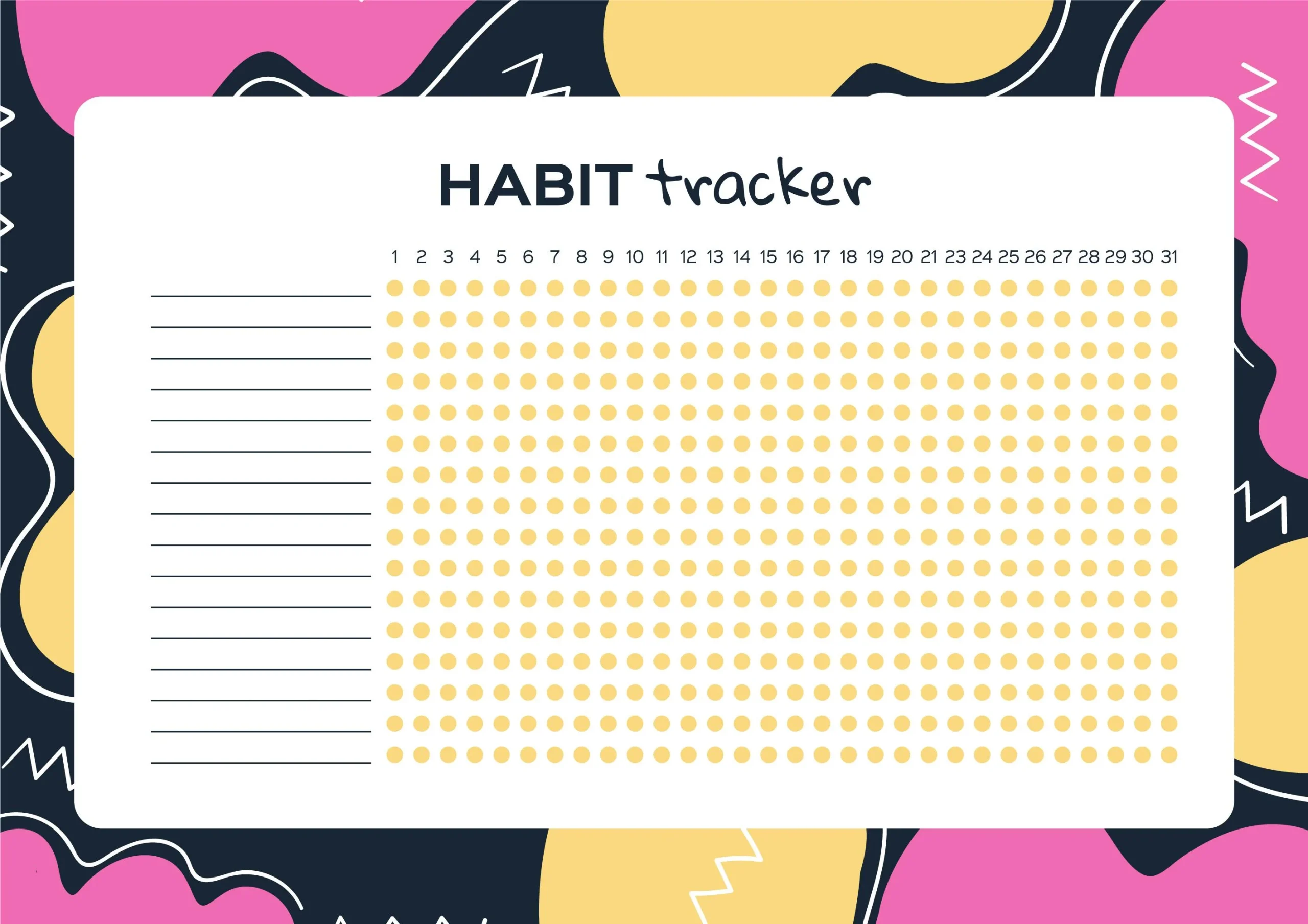
Week 1: Foundation
Focus on:
- Habit 1 (Morning routine)
- Habit 2 (Movement)
- Habit 7 (Sleep)
Track:
- Sleep hours
- Morning consistency
- Energy levels
Build rhythm before adding complexity.
Week 2: Focus Strengthening
Add:
- Habit 3 (Deep work block)
Maintain previous habits.
Gradually reduce distractions. Track focus duration daily.
Week 3: Cognitive Optimization
Add:
- Habit 4 (Nutrition)
- Habit 5 (Digital detox)
Track:
- Midday energy
- Brain fog episodes
- Screen time hours
This week improves stability.
Week 4: Self-Mastery & Refinement
Add:
- Habit 6 (Reflection)
Audit:
- Strongest habit
- Weakest habit
- Adjustment areas
Optimize timing and intensity.
This is where consistency habits for a clearer mind solidify.
Progress Tracking Template
Daily Checklist
- ☐ Morning routine
- ☐ Movement
- ☐ Deep work
- ☐ Nutrition
- ☐ Digital detox
- ☐ Reflection
- ☐ 7-8 hours sleep
Weekly Reflection Questions
- When did I feel most focused?
- What triggered distraction?
- How stable was my energy (1-10)?
Mental Clarity Scale
Rate daily from 1-10.
Patterns reveal insights.
Common Obstacles & Solutions
“I don’t have time.”
Start with 10-minute versions. Build gradually.
Inconsistency.
Use habit stacking (attach new habits to existing ones).
Low motivation.
Track streaks visually. Visible progress sustains discipline.
Expected Results After 30 Days
If applied consistently, you should experience:
- Reduced brain fog
- Longer focus duration
- Faster decision-making
- Improved emotional regulation
- More structured thinking
Improved recovery also shows physically, if climate affects your skin and energy, following a proper skincare routine for combination skin in humid climates can support better rest and daily alertness.
Mental clarity is not accidental.
It is trained.
Mental sharpness often reflects in external presence, exploring stylish urban outfit ideas for commuters can help align appearance with clarity and confidence.
Final Thoughts
The modern professional environment rewards sharp thinking.
The difference between overwhelmed and effective often comes down to habits not intelligence.
These daily habits to boost mental clarity are simple. But their power lies in repetition.
Thirty days from now, your cognitive baseline can be higher than it is today.
Clarity compounds.