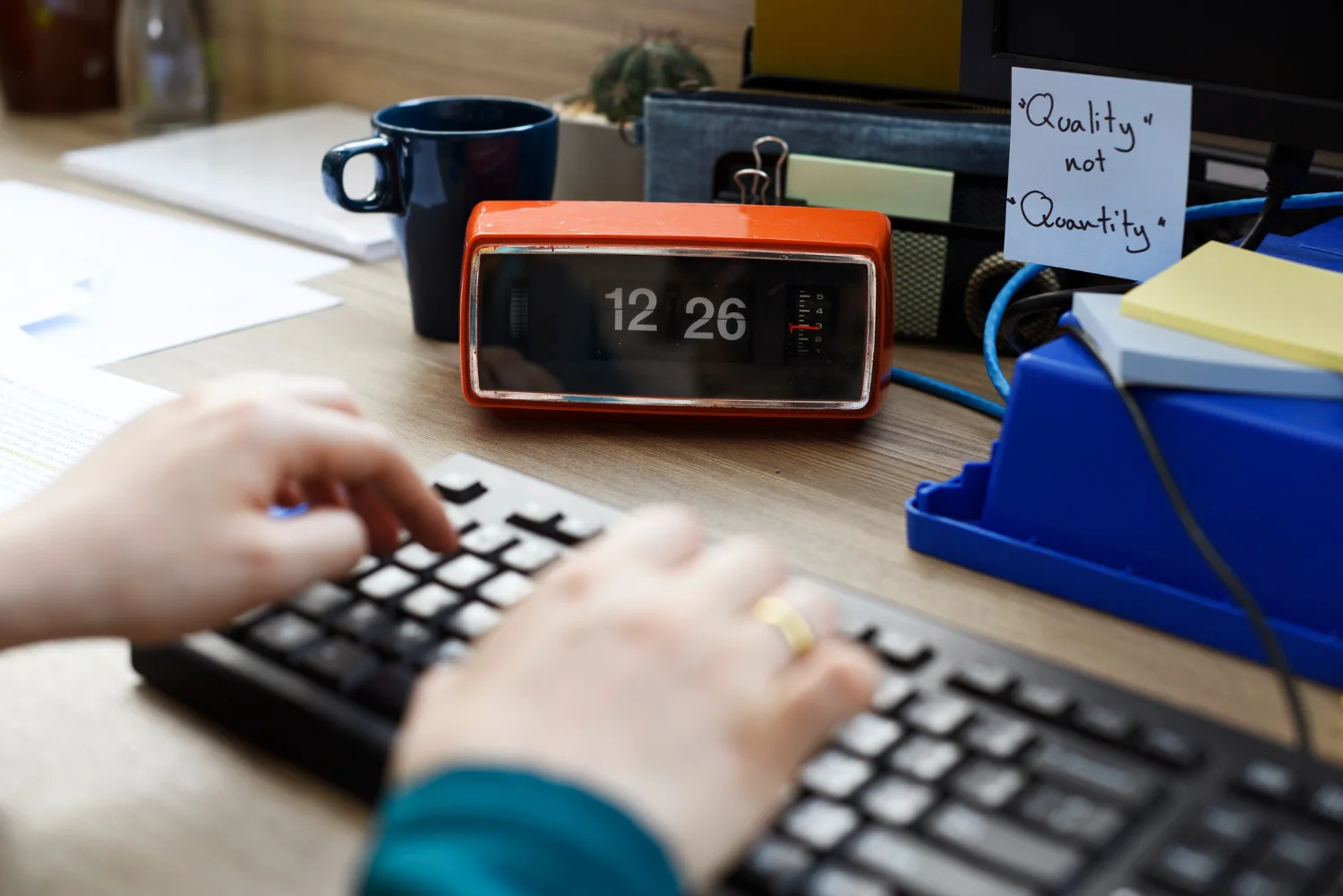
Top Productivity Tools to Use in 2026
Productivity in 2026 is not limited by access to tools. It is limited by attention.
Most people already have more apps, devices, and systems than they can use effectively. The real constraint is cognitive load. Too many inputs, decisions, interruptions.
The goal of using the top productivity tools to use is not to add complexity. It is to reduce friction. A useful tool should make decisions easier, not create new ones. It should reduce mental overhead, not increase it.
This guide focuses on practical tools. Some are digital. Some are physical. All are evaluated based on real-world usefulness, not feature lists.
1. Productivity Tools vs Productivity Systems
Before selecting tools, clarify the distinction.
A tool performs a function. A system defines when and why you use it.
Most productivity failures happen when tools exist without systems. For example, a task management app without daily review becomes digital clutter.
The top productivity tools to use work only when integrated into repeatable routines.
The objective is consistency, not tool accumulation.
Building stronger cognitive frameworks through books that will transform your thinking helps reinforce the systems that productivity tools support.
2. Daily Planning Tool: Physical Planner or Notebook
Despite the rise of AI productivity tools to try in 2026, physical planning remains effective for daily clarity.
Use case:
Writing top three priorities
Brain dumping tasks
Planning the next day
Why it works:
Writing tasks externally reduces mental load. Your brain stops holding unfinished loops.
Among the best productivity tools 2026 list, planners remain relevant because they reduce digital distraction.
Trade-offs:
No automation
Requires daily discipline
Who benefits most:
Professionals managing multiple responsibilities and students balancing deadlines.
3. Visual Planning Tool: Wall Calendar or Whiteboard

Digital calendars are useful, but physical visibility adds psychological weight.
Use case:
Monthly planning
Weekly goal tracking
Deadline visibility
Why it works:
When priorities remain visible, you make better time decisions.
The top productivity tools to use include visual tools because they reduce forgetfulness and reactive work.
Trade-offs:
Requires manual updates
Limited portability
Best for:
Remote workers, students, and home offices.
4. Focus Tool: Timer or Pomodoro Timer
Focus declines when work sessions lack boundaries.
Use case:
25 to 60 minute focus blocks
Structured breaks
Why it works:
Timers create urgency and prevent attention drift.
This remains one of the most effective free productivity apps for students and professionals when implemented digitally, or as a physical timer for offline focus.
Trade-offs:
Requires habit formation
Initial resistance to structured timing
Best for:
Writers, developers, analysts, and knowledge workers.
5. Workspace Organization Tool: Desk Organizer
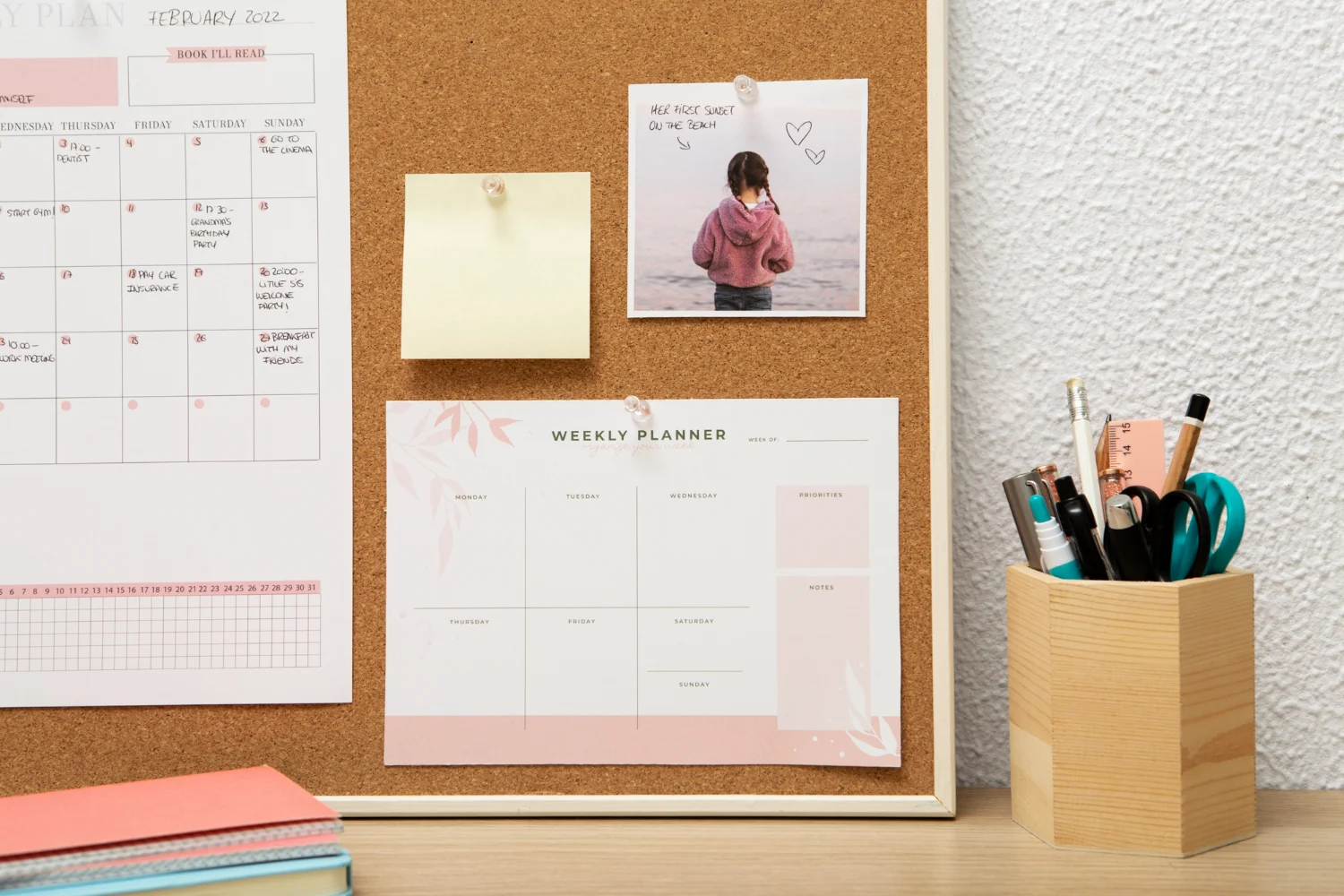
Clutter increases cognitive friction.
Use case:
Organizing essentials
Reducing visual noise
Why it works:
Cleaner environments reduce distraction and improve decision clarity.
Applying principles from minimalism for small spaces tips to simplify life helps maintain environments that support sustained focus.
Productivity tools for workflow optimization often begin with physical space, not software.
Trade-offs:
Initial setup effort
Requires ongoing maintenance
Best for:
Anyone working at a desk regularly.
6. Focus Environment Tool: Noise-Canceling Headphones

Environmental control is a productivity multiplier.
Use case:
Blocking background noise
Creating consistent focus conditions
Why it works:
Auditory interruptions reduce cognitive continuity.
The top productivity tools to use include environmental tools because attention stability improves output quality.
Trade-offs:
Cost
Requires comfort fit for long sessions
Best for:
Remote workers, shared offices, urban environments.
7. Physical Endurance Tool: Ergonomic Chair
Physical discomfort reduces cognitive endurance.
Use case:
Supporting posture
Reducing fatigue
Why it works:
Physical strain reduces focus duration.
Paid productivity solutions worth investing in 2026 often include ergonomic infrastructure because they support sustained work.
Trade-offs:
Upfront cost
Requires proper adjustment
Best for:
Professionals working long hours at a desk.
8. Energy Maintenance Tool: Reusable Water Bottle
Hydration directly affects cognitive performance.
Use case:
Maintaining hydration throughout the day
Why it works:
Even mild dehydration reduces focus and memory.
Among must-have productivity tools for digital workers, hydration tools are overlooked but effective.
Trade-offs:
Requires conscious use
Best for:
Anyone working long hours, studying, or managing sustained cognitive work.
9. Habit Tracking Tool: Physical Habit Tracker
Consistency drives productivity more than intensity.
Use case:
Tracking daily habits
Maintaining behavioral accountability
Why it works:
Visible tracking reinforces repetition.
The top productivity tools to use include behavioral reinforcement tools because they strengthen routines.
Trade-offs:
Requires manual input
Effectiveness depends on honesty
Best for:
Professionals building long-term consistency.
10. Environment Structuring Tool: Dedicated Workspace
This is not a device. It is a structural decision.
Use case:
Separate work and leisure areas
Maintain environmental consistency
Why it works:
Environmental cues trigger behavioral patterns.
Even in limited environments, small apartment storage solutions that actually work can help create functional and distraction-free work zones.
Productivity tools for remote work and teams often fail when workspace boundaries are unclear.
Trade-offs:
Limited feasibility in small apartments
Requires intentional setup
Best for:
Remote workers and hybrid professionals.
11. Recommended Minimal Productivity Toolkit (2026)
Most people need fewer tools than they think.
Basic Toolkit:
Planner or notebook
Timer
Water bottle
Desk organizer
This combination covers planning, execution, and energy maintenance.
Advanced Toolkit:
Planner
Whiteboard
Ergonomic chair
Noise-canceling headphones
Habit tracker
These represent the top productivity tools to use for sustained professional output.
12. Daily Workflow Using These Tools
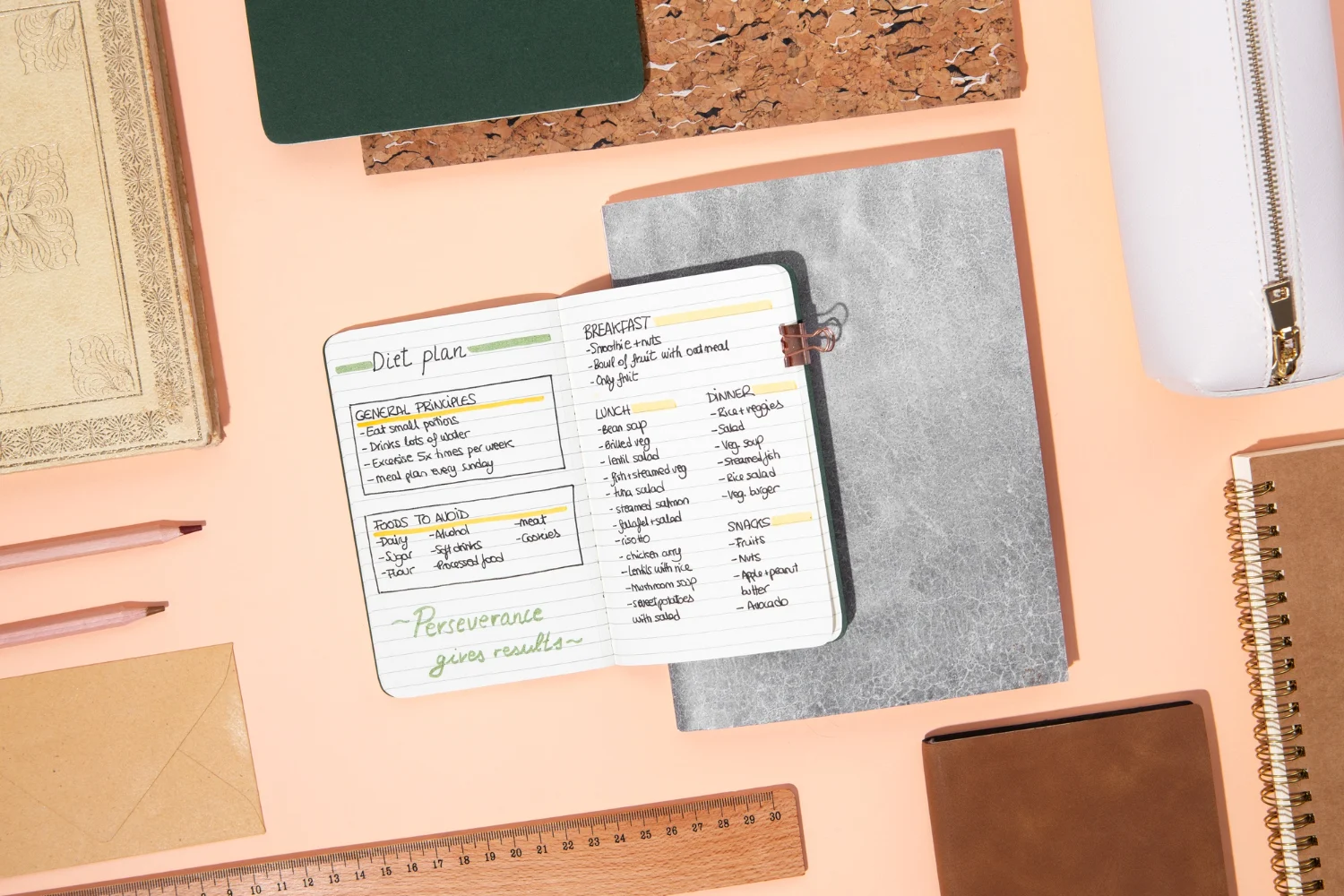
Morning:
- Plan priorities using notebook
- Combining structured planning with daily motivation techniques to stay productive ensures consistency even when energy or focus fluctuates.
- Review whiteboard or planner
Work blocks:
- Use timer for structured focus
Use headphones if needed
Throughout day:
Maintain hydration
Use organized workspace
End of day:
Update habit tracker
Plan next day
The best productivity tools 2026 list is effective only when integrated into workflows.
13. Common Mistakes to Avoid
Using too many tools simultaneously.
Buying tools without building routines.
Maintaining cluttered environments.
Switching tools frequently without mastery.
The top productivity tools to use are effective because of consistency, not novelty.
14. Results These Tools Help Achieve
Improved focus stability.
Consistent use of these tools becomes more effective when paired with daily habits to boost mental clarity that strengthen attention control.
Reduced cognitive overload.
Better daily consistency.
Higher output quality.
More controlled workdays.
Productivity software for work efficiency 2026 continues to evolve, but foundational tools remain stable.
The goal is not maximum activity. It is controlled, intentional output.
Final Perspective
The most effective productivity strategy in 2026 is selective adoption.
Use fewer tools. Use them consistently. Integrate them into systems.
The top productivity tools to use are not defined by innovation. They are defined by reliability.
Tools should serve your thinking, not compete with it.
Clarity remains the highest productivity advantage.