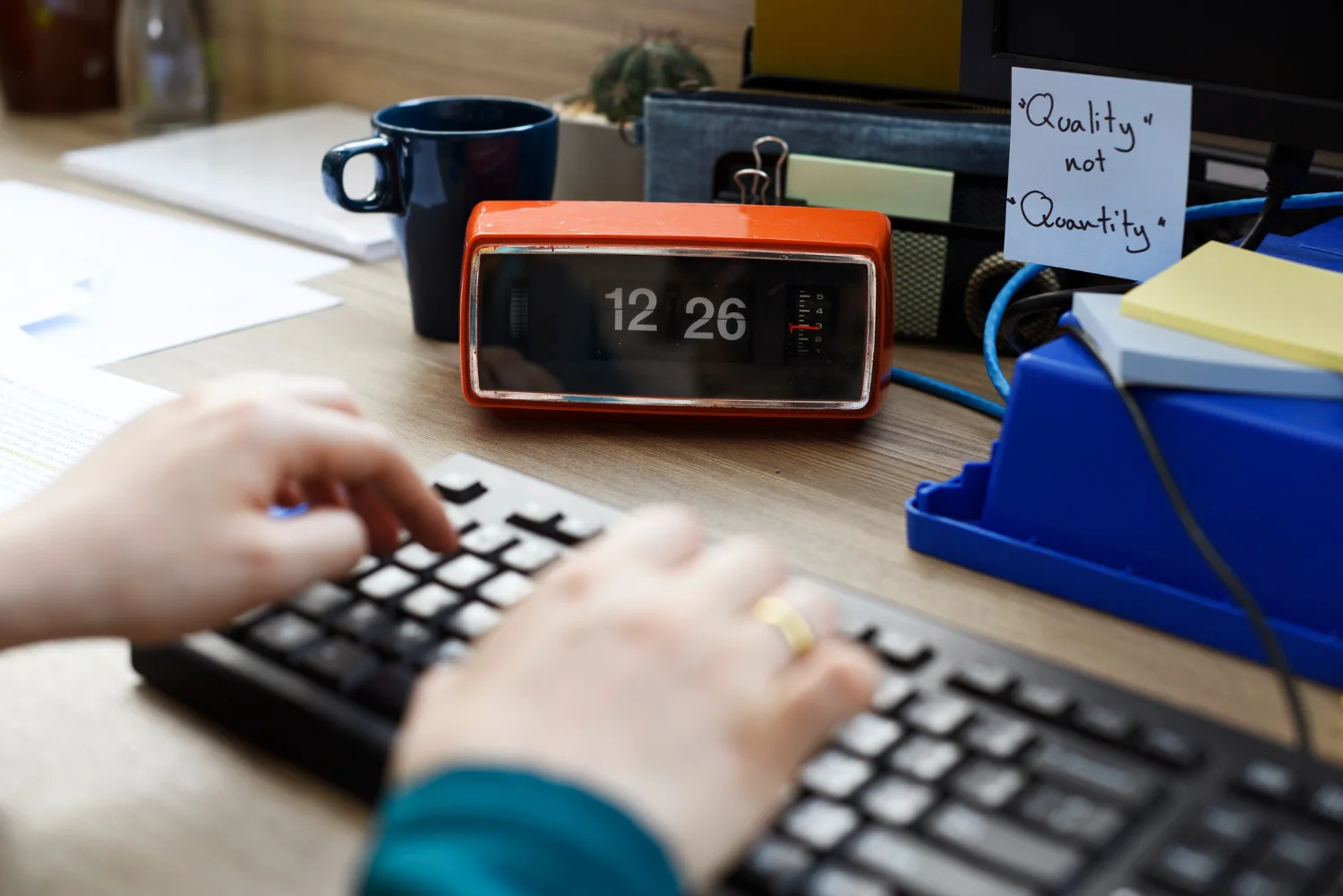
Daily Motivation Techniques to Stay Productive in 2026
Motivation in 2026 cannot be treated as a feeling.
It is not a morning quote. Not a burst of energy. Not a personality trait.
It is a system.
Between AI-driven workflows, remote work flexibility, algorithmic distraction, and constant digital noise, the real productivity challenge is not laziness. It is attention fragmentation and mental fatigue.
If you are looking for daily motivation techniques to stay productive, the solution is not hype. It is structure that works even when energy is low.
This guide focuses on sustainable systems. Short steps. Clear logic. Repeatable behaviors.

1. The 2026 Productivity Context
Work has changed.
AI tools draft emails. Automations schedule meetings. Collaboration happens across time zones. The volume of input has increased.
Remote and hybrid environments blur boundaries. Notifications never stop. Information overload reduces cognitive endurance.
Motivation and productivity techniques in 2026 must account for this environment.
You cannot rely on mood. You must rely on process.
2. Morning Focus Protocol (20-30 Minutes)

The first 30 minutes of the day determine cognitive direction.
Not emotionally. Neurologically.
Protocol:
Wake at a consistent time
Hydrate immediately
5–10 minutes of light movement
No social media or news
Review quarterly goals
Define Top 3 tasks for the day
This is not a 5 AM ritual. It is stability.
Morning motivation routines for productivity reduce early cognitive noise. This aligns closely with daily habits to boost mental clarity that strengthen focus before digital input takes over. You decide what matters before the internet does.
On low-energy days, this protocol still works because it requires minimal decision-making.
3. AI-Assisted Planning
AI is not the enemy of motivation. It is leverage.
Use it intentionally.
Ask AI to break large tasks into smaller steps
Automate repetitive admin work
Generate daily task summaries
Use calendar auto-scheduling
Run an end-of-day recap to prepare tomorrow
Motivation techniques to beat procrastination in 2026 must reduce task ambiguity. Most procrastination is confusion disguised as avoidance.
Clarity reduces resistance.
4. Deep Work Framework

Motivation strengthens with evidence of progress.
Set one 60 to 90 minute deep work block daily.
Rules:
Phone in another room
Website blockers enabled
Single task only
Hardest task first
Track focused hours
Daily motivational habits to improve focus depend on training attention like a muscle.
Start with one block. Even 45 minutes counts.
Consistency builds capacity.
5. Dopamine Control Strategy
Digital environments are engineered for stimulation.
If you consume dopamine before producing output, productivity declines.
System:
Delay entertainment until after core tasks
Batch notifications 2 to 3 times per day
Replace scroll breaks with short walks
Avoid multitasking
Daily productivity motivation tips must account for neurological cycles. Constant novelty lowers baseline focus.
Delayed gratification strengthens it.
6. Energy Optimization System
Low energy is often misinterpreted as low motivation. Even physical recovery habits, such as maintaining a skincare routine for combination skin in humid climates, support energy consistency and daily performance.
Check fundamentals first.
7–8 hours sleep
Morning sunlight exposure
Balanced meals with protein
2–3 liters of water daily
5–10 minute movement breaks
Effective motivation techniques for consistent productivity depend on biological stability. Structured routines, including a daily grooming routine for busy professionals, reinforce discipline and reduce early-day decision fatigue.
On days when drive feels absent, energy management often solves the issue.
7. Weekly Motivation Reset
Motivation fades when direction is unclear.
Each Sunday:
Review wins and missed targets
Adjust weekly priorities
Remove low-value commitments
Reset workspace
Motivation and goal setting for daily productivity require recalibration.
You are not optimizing for intensity. You are optimizing for alignment.
8. Environment Design

Environment influences behavior silently.
Design for friction reduction.
Minimal desk setup
Separate work and leisure zones
Noise control via headphones or white noise
Visual goal board
A clutter-free environment makes focus easier, which is why principles from minimalism for small spaces tips to simplify life naturally support productivity systems.
Motivational habits to enhance work performance become easier when cues support action.
If your desk holds distractions, motivation drains faster.
Optimizing layout with small apartment storage solutions that actually work can reduce friction and protect your deep work blocks.
9. Accountability & Measurement
You cannot improve what you do not measure.
Implement:
Daily habit tracker
Productivity score from 1 to 10
Weekly KPI tracking
Monthly performance audit
Simple motivation techniques for daily success rely on feedback loops.
Measurement reduces emotional interpretation. You rely on data, not mood.
10. Long-Term Drive System
Short-term motivation collapses without long-term structure.
Define:
One-year outcome goal
Break into 90-day sprints
Monthly skill upgrade focus
Intentional milestone rewards
Productivity boosting motivation strategies work best when near-term tasks connect to long-term identity.
You are not just finishing tasks. You are building capability.
11. 30-Day Productivity Upgrade Plan
- Week 1: Build morning protocol and deep work routine.
- Week 2: Implement AI automation and dopamine control strategy.
- Week 3: Optimize sleep, nutrition, and environment.
- Week 4: Refine accountability systems and performance tracking.
This phased structure prevents overload.
Daily motivation techniques to stay productive become sustainable when layered gradually.

12. Common Productivity Killers
Overplanning without execution.
Constant context switching.
Sleep neglect.
Reactive work mode.
Unclear priorities.
Most motivation problems are structural.
Fix structure first.
Closing Perspective
Motivation fluctuates.
Systems do not.
If you build daily motivation habits for productivity around structure, environment, and measurable feedback, you remove the need for emotional intensity.
In 2026, productivity is not about grinding harder.
It is about designing smarter.
Small, repeatable actions compound.
That is the quiet advantage.